

The e-commerce industry in India has experienced massive growth over the last decade. From fashion and electronics to groceries and digital products, online businesses are transforming the way people shop and sell. If you’re planning to launch an online store, marketplace, or dropshipping business, understanding the registration process is essential.
This detailed guide explains how to legally register an e-commerce business in India, the required licenses, taxation, compliance, and the best structure for long-term growth.
Search Intent Analysis
This blog is intended for:
- Entrepreneurs planning to start an online business
- Amazon, Flipkart, and Shopify sellers
- Startups launching e-commerce brands
- Business owners seeking legal compliance guidance
The content focuses on practical registration steps, compliance clarity, and growth-oriented business setup.
What is an E-Commerce Business?
An e-commerce business involves buying or selling goods and services online through websites, apps, or marketplaces.
Popular e-commerce models include:
- B2C (Business to Consumer)
- B2B (Business to Business)
- D2C (Direct to Consumer)
- Marketplace model
- Dropshipping
Why Register an E-Commerce Business?
Many entrepreneurs start selling online informally, but proper registration provides long-term benefits.
Key Advantages:
- Legal recognition
- GST compliance
- Ability to sell on marketplaces
- Business bank account access
- Investor and customer trust
- Tax benefits and scalability
Choosing the Right Business Structure
Selecting the correct business structure is the first and most important step.
-
Sole Proprietorship
Best for:
- Small online sellers
- Freelancers
- Home-based businesses
Pros:
- Easy setup
- Low compliance
- Affordable
Cons:
- Unlimited liability
- Difficult to raise funding
-
Partnership Firm
Suitable for businesses with two or more founders.
Pros:
- Shared responsibilities
- Simple registration
Cons:
- Shared liability
- Limited scalability
-
LLP (Limited Liability Partnership)
Ideal for growing startups wanting limited liability.
Pros:
- Separate legal entity
- Lower compliance than companies
Cons:
- Limited investment opportunities
-
Private Limited Company
Most preferred structure for scalable e-commerce startups.
Benefits:
- Limited liability
- Investor-friendly structure
- Better credibility
- Easier funding opportunities
Many startups choose Private limited company registration in Pune to build scalable online businesses with strong legal foundations.
Step-by-Step Process to Register an E-Commerce Business
Here’s the complete registration process:
Step 1: Decide Business Structure
Choose the right entity based on:
- Budget
- Ownership
- Growth plans
- Investment goals
Step 2: Register Your Business
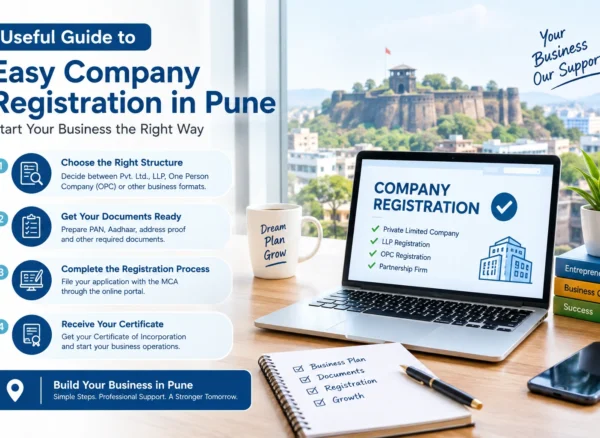
Register with the Ministry of Corporate Affairs (MCA) if forming:
- Pvt Ltd Company
- LLP
- OPC
For proprietorship:
- GST and Shop Act may be sufficient initially.
Step 3: Obtain PAN and TAN
A PAN is mandatory for taxation and banking.
TAN is required if your business deducts TDS.
Step 4: Open a Business Bank Account
A current account is necessary for:
- Payment gateways
- Vendor transactions
- Marketplace settlements
Step 5: GST Registration
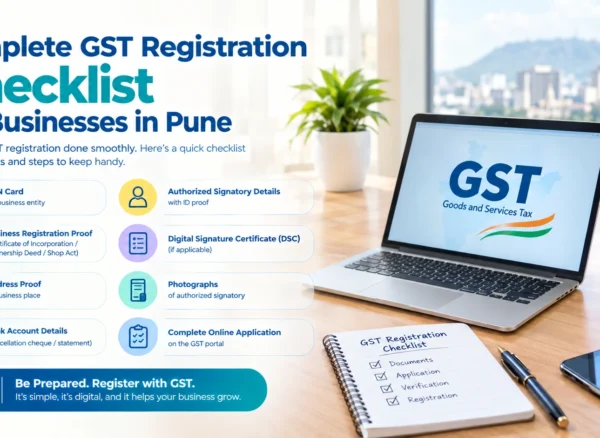
GST registration is generally mandatory for e-commerce sellers, especially when selling through:
- Amazon
- Flipkart
- Meesho
- Shopify
Step 6: Apply for Shop and Establishment License
This registration is required in many states for commercial operations.
Step 7: Trademark Registration
Trademark protects:
- Brand name
- Logo
- Identity
Highly recommended for long-term branding.
Step 8: Obtain IEC (If Exporting)
If you plan international sales, Import Export Code (IEC) is mandatory.
Documents Required for Registration
For Proprietorship:
- PAN Card
- Aadhaar Card
- Address proof
- Bank details
For Pvt Ltd/LLP:
- Director KYC documents
- Passport-size photos
- Registered office proof
- MOA & AO
Time Required for Registration
| Process | Estimated Time |
| Proprietorship | 2–5 days |
| LLP | 7–10 days |
| Pvt Ltd Company | 7–15 days |
Why E-Commerce Startups Prefer Pvt Ltd Companies
A private limited company offers:
- Better scalability
- Investor trust
- Limited liability protection
- Brand credibility
Entrepreneurs seeking Company registration in Pune often choose Pvt Ltd structures for long-term growth.
Taxation for E-Commerce Businesses
E-commerce businesses must comply with:
- GST returns
- Income tax filing
- TDS/TCS provisions
- Accounting compliance
Professional accounting services in Pune help businesses maintain accurate financial records and avoid penalties.
Payment Gateway Integration Requirements
To activate payment gateways like:
- Razorpay
- PayU
- Stripe
You typically need:
- GST registration
- Business registration proof
- PAN and bank account
Compliance Requirements for E-Commerce Businesses
After registration, businesses must maintain:
- GST filing
- ROC filing (for companies)
- Accounting records
- Tax compliance
Failure to comply may result in penalties.
Selling on Online Marketplaces
To sell on platforms like Amazon or Flipkart, you usually need:
- GST registration
- Bank account
- PAN details
- Pickup address
Importance of Professional Guidance
Business registration involves multiple legal and tax requirements. Working with experienced Company registration consultants in Pune ensures:
- Correct documentation
- Faster approvals
- Compliance support
- Reduced errors
Why Choose Professional Business Consultants?
A reliable business consultant in Pune can help with:
- Business structure selection
- Legal registrations
- GST and tax guidance
- Growth planning
Professional support helps entrepreneurs focus on scaling their online stores rather than paperwork.
How Professional Firms Help
Companies like Azalea Advisors provide end-to-end support for:
- Company incorporation
- GST registration
- Trademark registration
- Accounting and compliance
This ensures a smooth and legally compliant business launch.
Common Mistakes to Avoid
Avoid these common registration mistakes:
- Choosing the wrong business structure
- Ignoring GST compliance
- Delaying trademark registration
- Using personal bank accounts
- Missing annual filings
Tips for E-Commerce Business Success
-
Build a Strong Brand
Focus on professional branding and customer trust.
-
Ensure Legal Compliance
Compliance builds long-term stability.
-
Invest in Digital Marketing
SEO, ads, and social media drive online sales.
-
Use Proper Accounting Systems
Track income, expenses, and taxes effectively.
Frequently Asked Questions (FAQs)
-
Is GST mandatory for e-commerce businesses?
Yes, GST is generally mandatory for online sellers.
-
Which business structure is best for e-commerce?
Private Limited Company is ideal for scalable businesses.
-
Can I start an online business from home?
Yes, many e-commerce businesses operate from home initially.
-
Do I need trademark registration?
Not mandatory, but highly recommended for brand protection.
-
How long does company registration take?
Usually between 7–15 working days.
-
Can I sell internationally?
Yes, with IEC registration and export compliance.
Address : 604, Archway, Sopan Baug Rd, Balewadi, Pune, Maharashtra 411045
Call : 85540 12300
Get Direction