
If you’re planning to import goods into India or export products to international markets, there’s one document you cannot operate without: the Import Export Code, commonly known as IEC. Whether you’re a manufacturer selling overseas, a trader importing raw materials, or a startup exploring cross-border e-commerce, the IEC is the foundational registration that makes international trade legally possible.
Many first-time business owners assume the process is complicated and paperwork-heavy. In reality, once you understand what the code is, who needs it, and what the application involves, it becomes far more manageable. This guide covers eligibility, documents, and the exact steps to apply online.
What Is an Import Export Code (IEC)?
An IEC is a 10-digit identification number issued by the Directorate General of Foreign Trade (DGFT), under the Ministry of Commerce and Industry. It acts as a mandatory license for any business or individual importing or exporting goods and services from India. Without it, customs will not clear your shipments, and banks will not process related international payments.
Who Needs an IEC?
- Businesses importing goods or raw materials from abroad
- Exporters selling products or services internationally
- E-commerce sellers shipping through global marketplaces
- Service providers receiving payments from foreign clients where the bank requires IEC
- Manufacturers sourcing machinery or components from overseas
- Startups planning to scale into cross-border trade
Government departments and a few notified personal-use or charitable imports are exempt, but for most commercial businesses, IEC is mandatory.
Why the IEC Matters
Access to international markets — legally enables selling beyond Indian borders.
Smoother customs clearance — avoids delays and demurrage charges at ports.
Eligibility for export incentives — several Foreign Trade Policy benefits require a valid IEC.
Simplified banking — most banks require IEC before processing trade-related remittances.
Lifetime validity — no traditional renewal, though periodic online updation is required to keep it active.
Documents Required
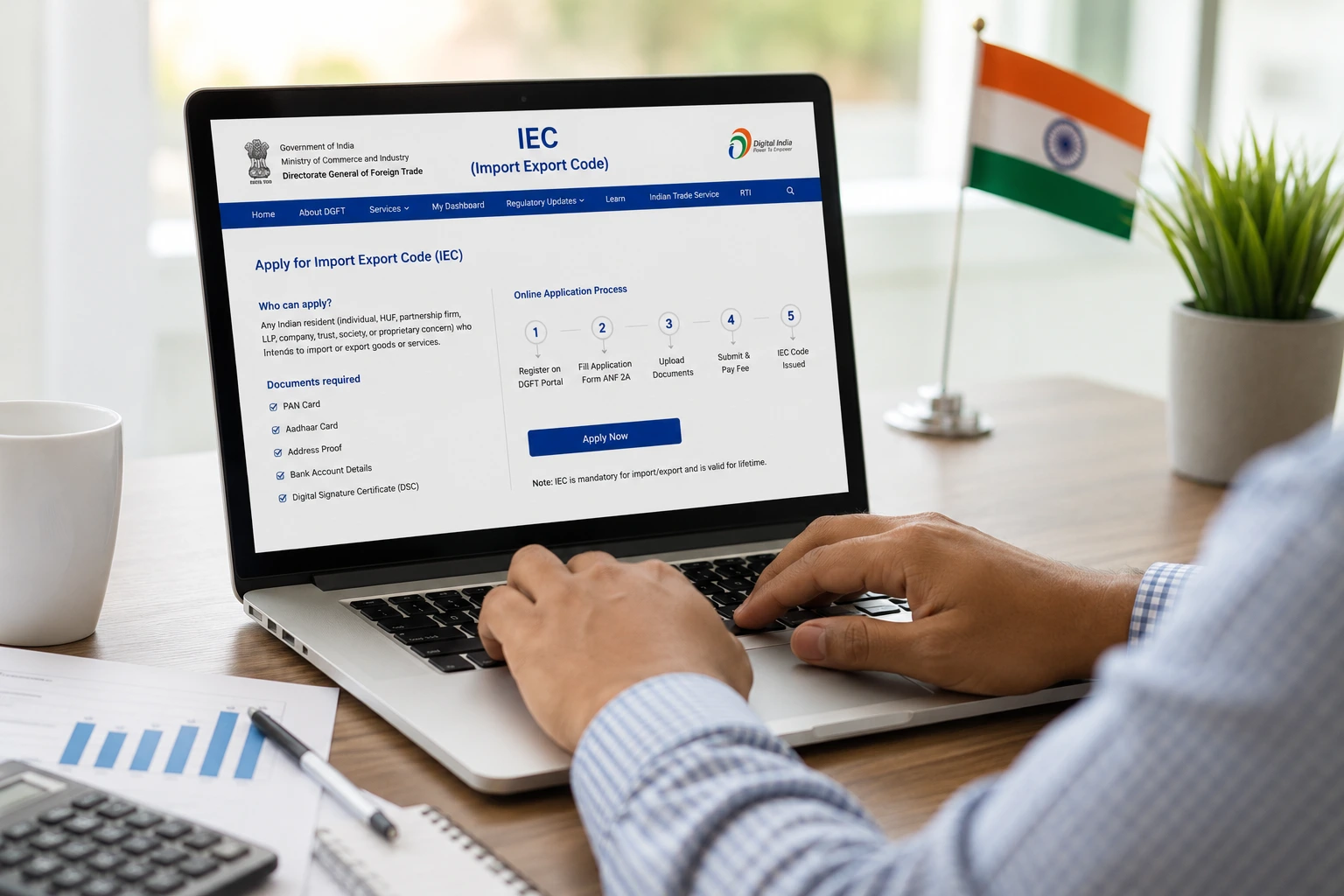
- PAN card of the business entity or individual applicant
- Proof of business address (utility bill, rent agreement, or property document)
- Cancelled cheque or bank certificate of the business’s current account
- Digital photograph of the proprietor/partner/director
- Certificate of incorporation, partnership deed, or registration certificate
- Valid mobile number and email ID for OTP verification
- Digital Signature Certificate (DSC), where applicable
Keeping these ready in the correct format speeds up processing considerably.
Step-by-Step Process to Apply for IEC in India
Step 1: Visit the DGFT Website. The entire process is conducted online through the official DGFT portal.
Step 2: Register and Verify Your Account. You’ll receive an OTP on your mobile and email for verification before you can access your DGFT dashboard.
Step 3: Fill Out the Application Form (ANF-2A). This includes business name and constitution, PAN details, registered address, bank details, and details of directors, partners, or the proprietor. Accuracy here is critical, since mismatches with PAN or bank records are a common cause of delay.
Step 4: Upload the Required Documents. Ensure scanned copies meet the portal’s file size and format requirements — blurry or incomplete uploads frequently cause rejections.
Step 5: Pay the Application Fee. A nominal government fee is payable online via net banking, debit card, or other supported modes. Keep the receipt for your records.
Step 6: Submit the Application. Review every field carefully before final submission, as corrections after submission can require additional formalities.
Step 7: Receive Your IEC Certificate. If everything is in order, the IEC is typically issued digitally within a few working days and sent to your registered email, or can be downloaded from the portal.
Common Mistakes to Avoid
- Business name not matching PAN records exactly
- Unclear or outdated address proof
- Incorrect bank account details
- Skipping mandatory periodic updation of IEC details, which can lead to deactivation
- Applying before finalizing the right business structure, which affects documentation
How Business Structure Affects Your Application
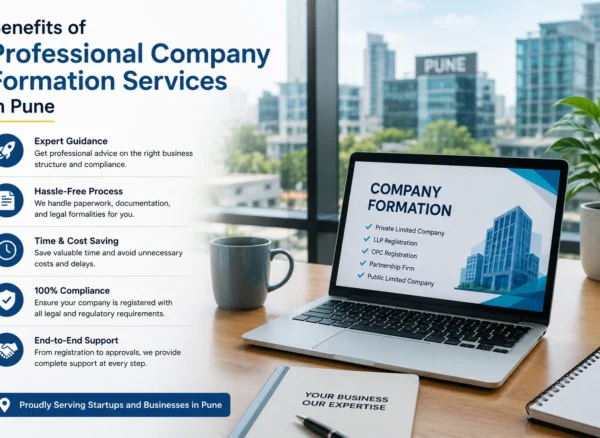
Your legal structure directly impacts the documents needed. A sole proprietorship requires simpler paperwork than a partnership or private limited company. Founders exploring Private limited company registration in Pune often complete their entity formation first, then apply for IEC right after, ensuring no documentation gaps. Businesses undergoing Company formation in Pune should factor IEC requirements into their initial planning if international trade is part of the roadmap.
Why Local Expertise Matters
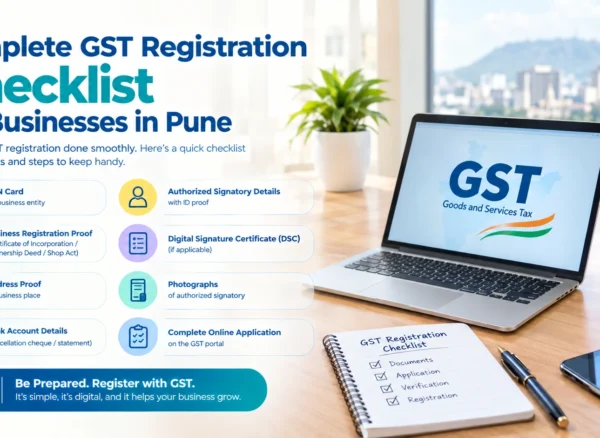
While IEC is a national, DGFT-administered process, working with professionals familiar with regional documentation and banking practices makes it smoother — especially for founders juggling Company registration in Pune, GST registration, and bank account setup at the same time.
Entrepreneurs searching for Import export code registration in Pune usually want more than form-filling — they want help with document accuracy, error-free submission, and follow-up if the DGFT portal raises queries. A qualified Business consultant in Pune can help you avoid the documentation errors that cause delays and ensure your IEC application aligns with your registered business structure. A good Business consultant in Pune can also guide you on how IEC fits into your broader compliance calendar, including GST filings and export incentive eligibility.
FAQs on IEC Registration
Q1. Is IEC mandatory for all businesses?
No — only for those engaged in import or export of goods and services.
Q2. How long does it take to get an IEC?
Usually a few working days if the application and documents are accurate and complete.
Q3. Does IEC need annual renewal?
No, but businesses must periodically update their IEC details online to keep it active.
Q4. Can one business have multiple IECs?
No, a single PAN-based entity gets only one IEC.
Q5. Is a physical office required?
A valid business address with proof is required, but the entire process is online.
Q6. Can individuals apply, or only registered companies?
Both individuals and registered entities like partnerships, LLPs, and private limited companies can apply.
7. What if I don’t update my IEC periodically?
Failure to update within the prescribed timeframe can lead to deactivation, disrupting ongoing trade.
Conclusion: Start Your International Trade Journey the Right Way
Applying for an IEC doesn’t have to be overwhelming. With accurate documentation and the right guidance, most businesses can secure their IEC within days. If you want end-to-end support — from Company registration consultants in Pune formalities to filing your IEC application correctly — Azalea Advisors can guide you through the entire process, from incorporation and taxation to compliance and international trade registrations.
Ready to start your import-export journey? Reach out to Azalea Advisors today for expert help with your IEC application, business registration, and ongoing compliance.